Chapter
The Silent Boy
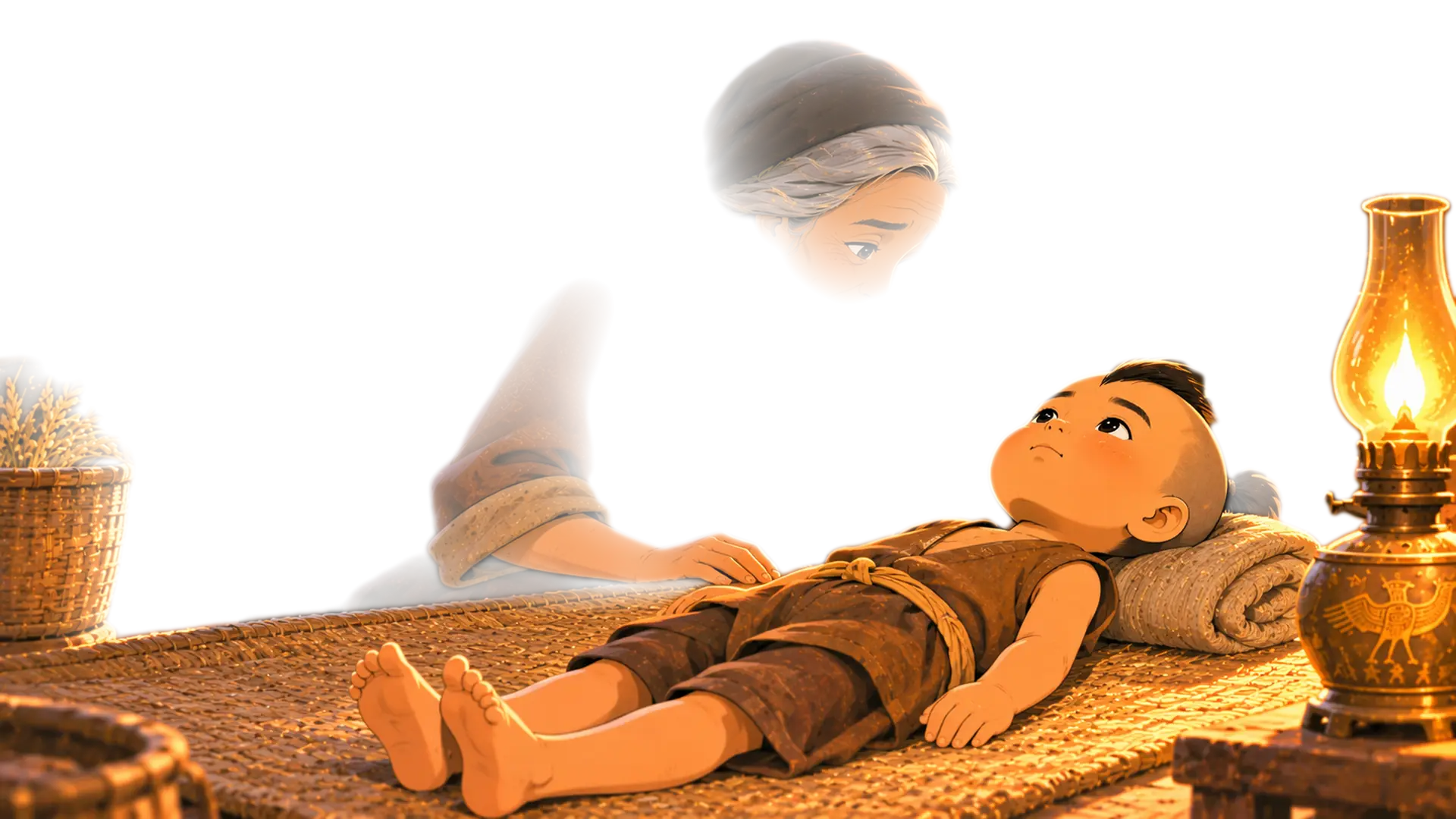
For three years, the boy never said a word. He never smiled. He never walked.
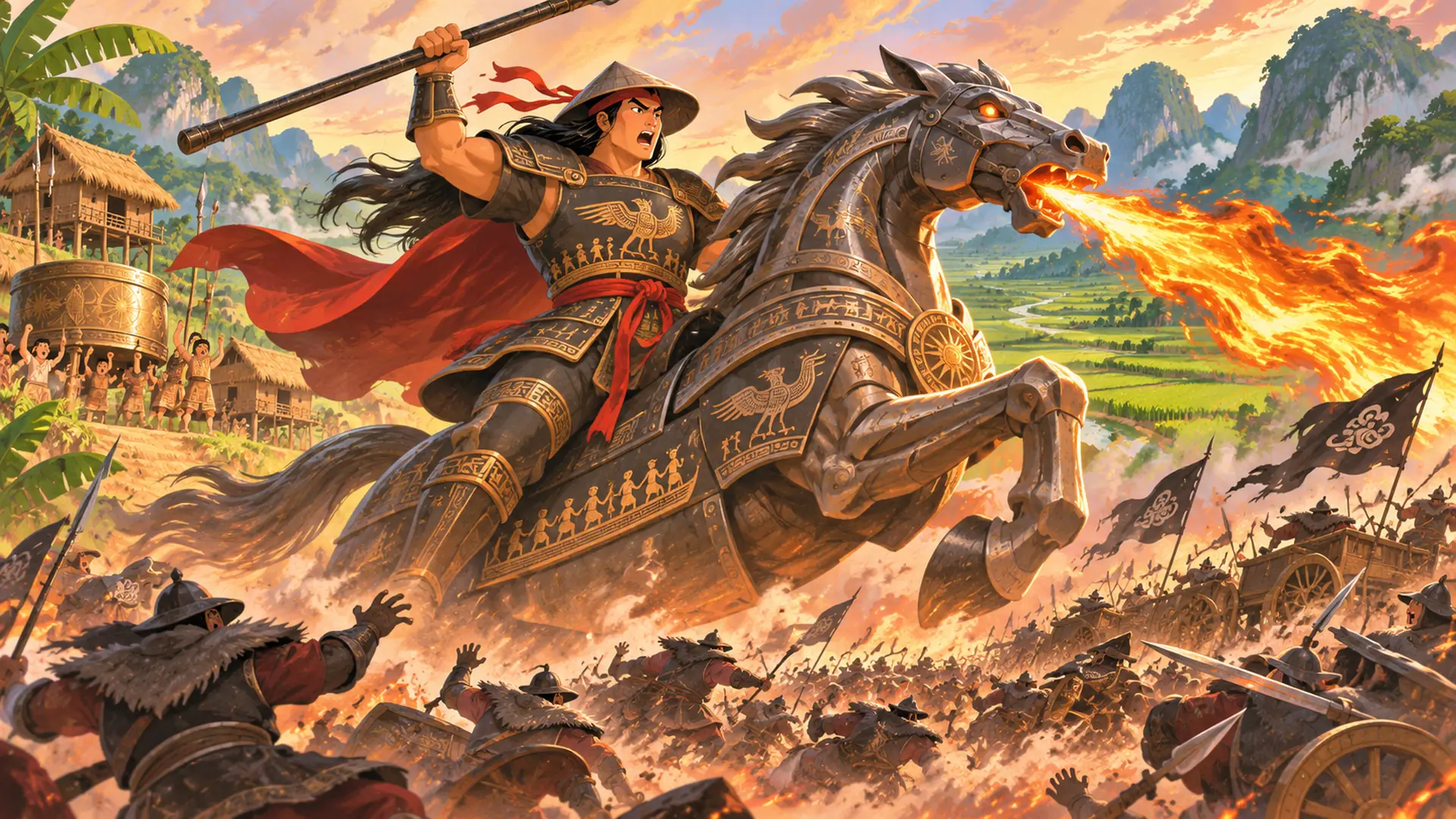
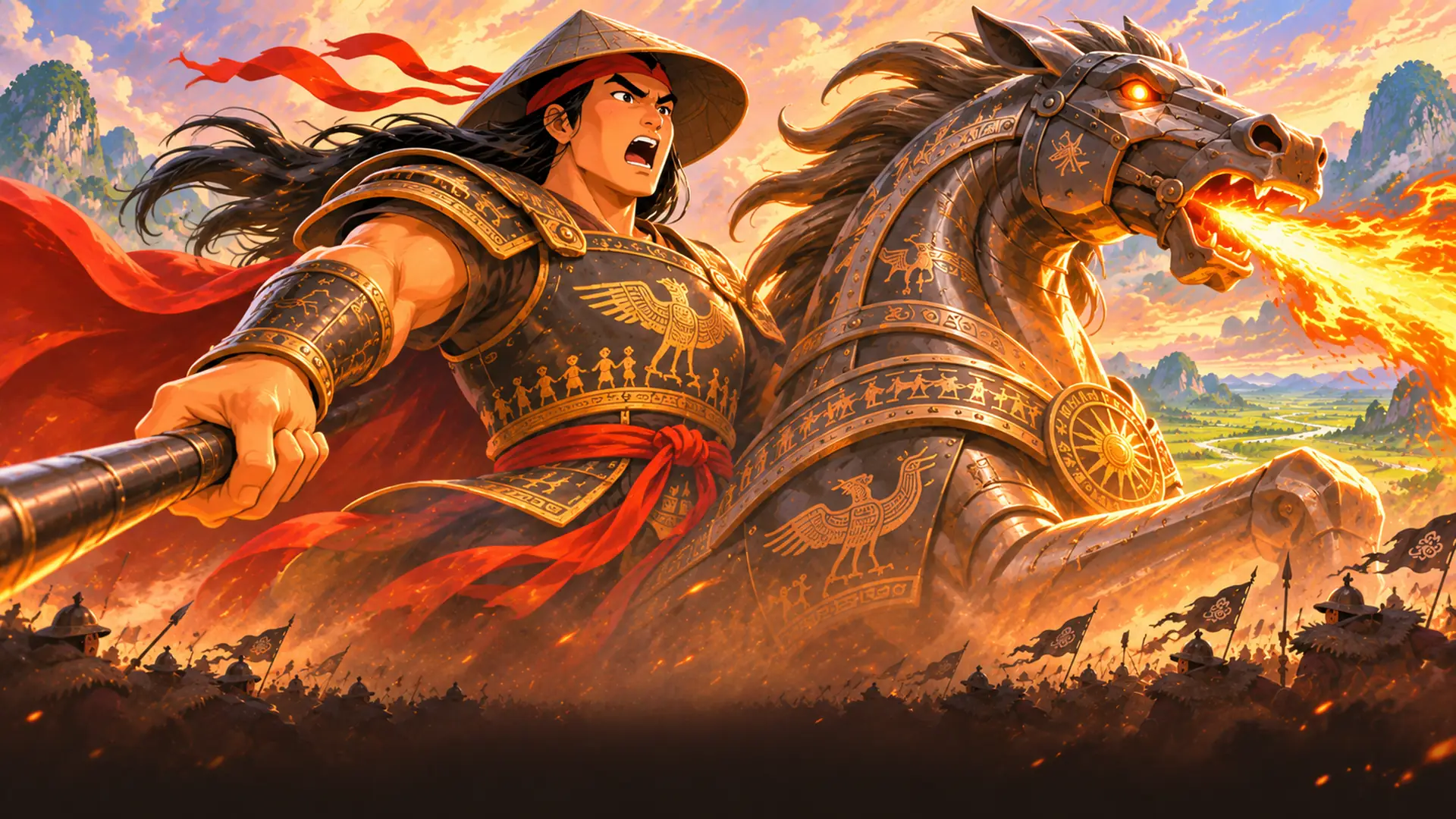
Then one day, an army came. And the boy stood up — taller than a mountain — and rode into battle on an iron horse that breathed fire. According to Vietnamese legend, his name was Thanh Giong — the hero of Phu Dong village.
Chapter
A Strange Birth
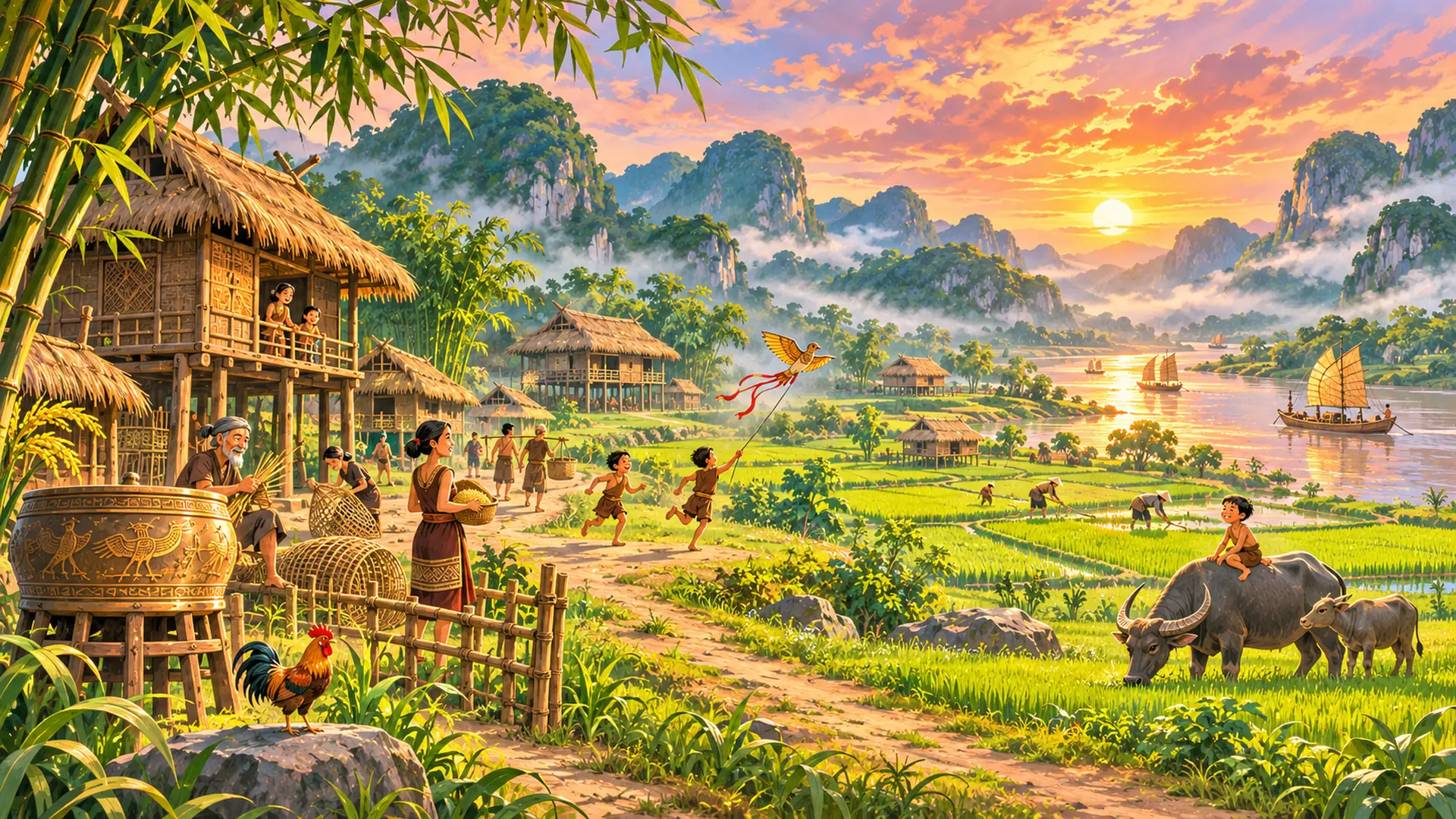
Long ago, in the time of the sixth Hung King, in the village of Phu Dong on the banks of the Red River, there lived an old woman, all alone.
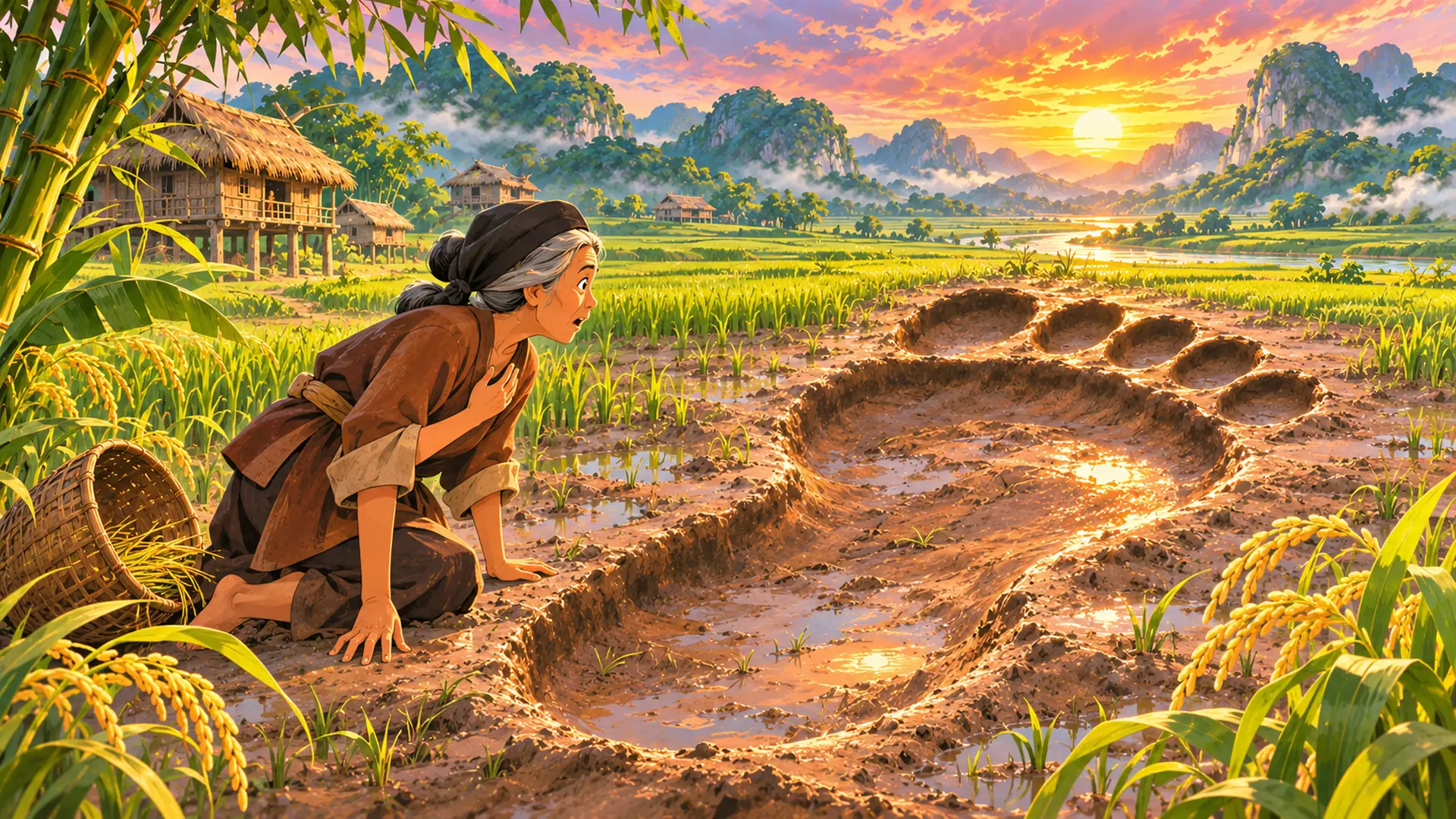
One morning, out in her rice field, she found a footprint pressed into the mud — a giant footprint, far bigger than any human’s. Curious, she placed her own foot inside it. And not long after, she was with child.
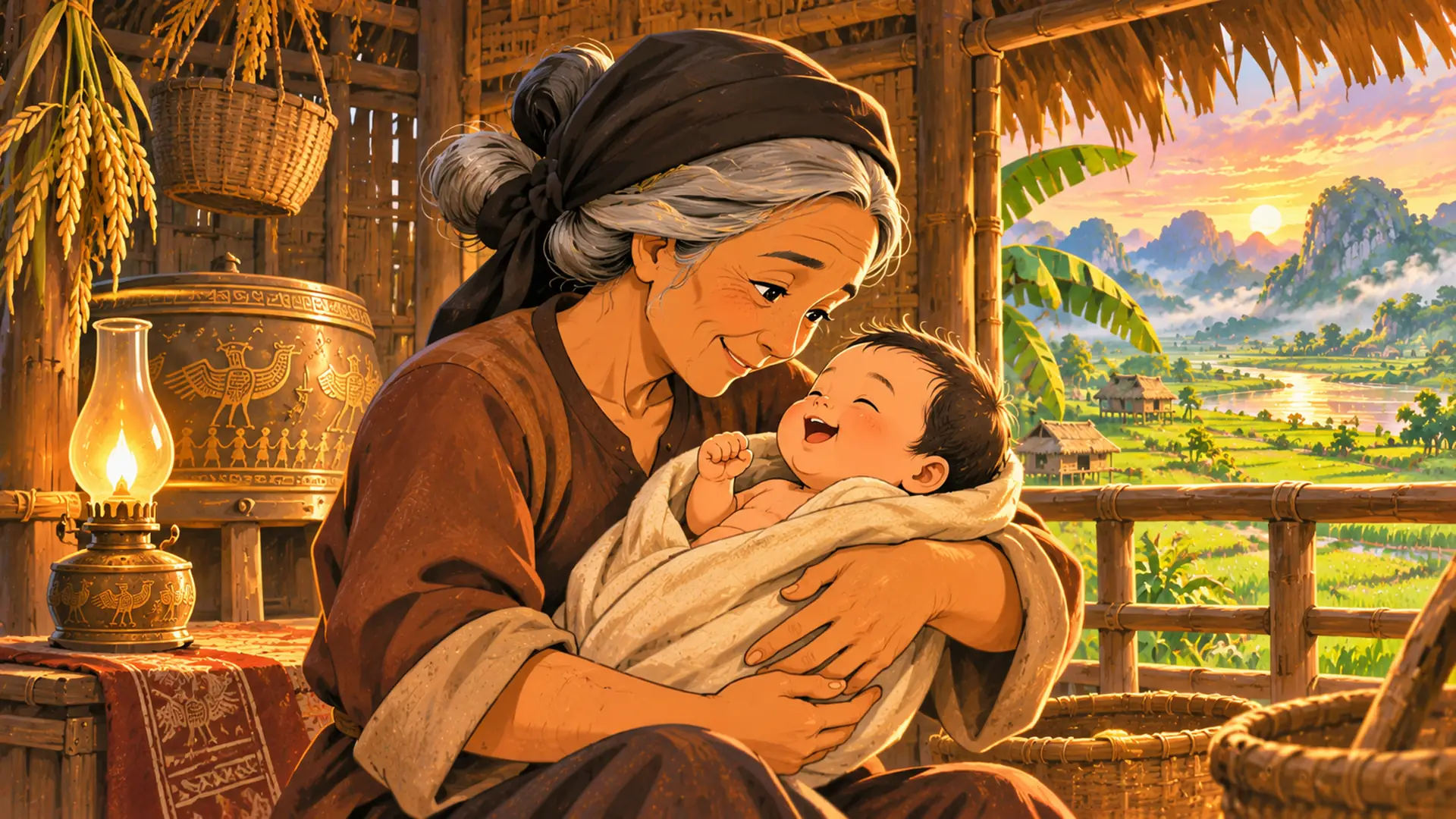
Twelve months later, she gave birth to a beautiful baby boy.
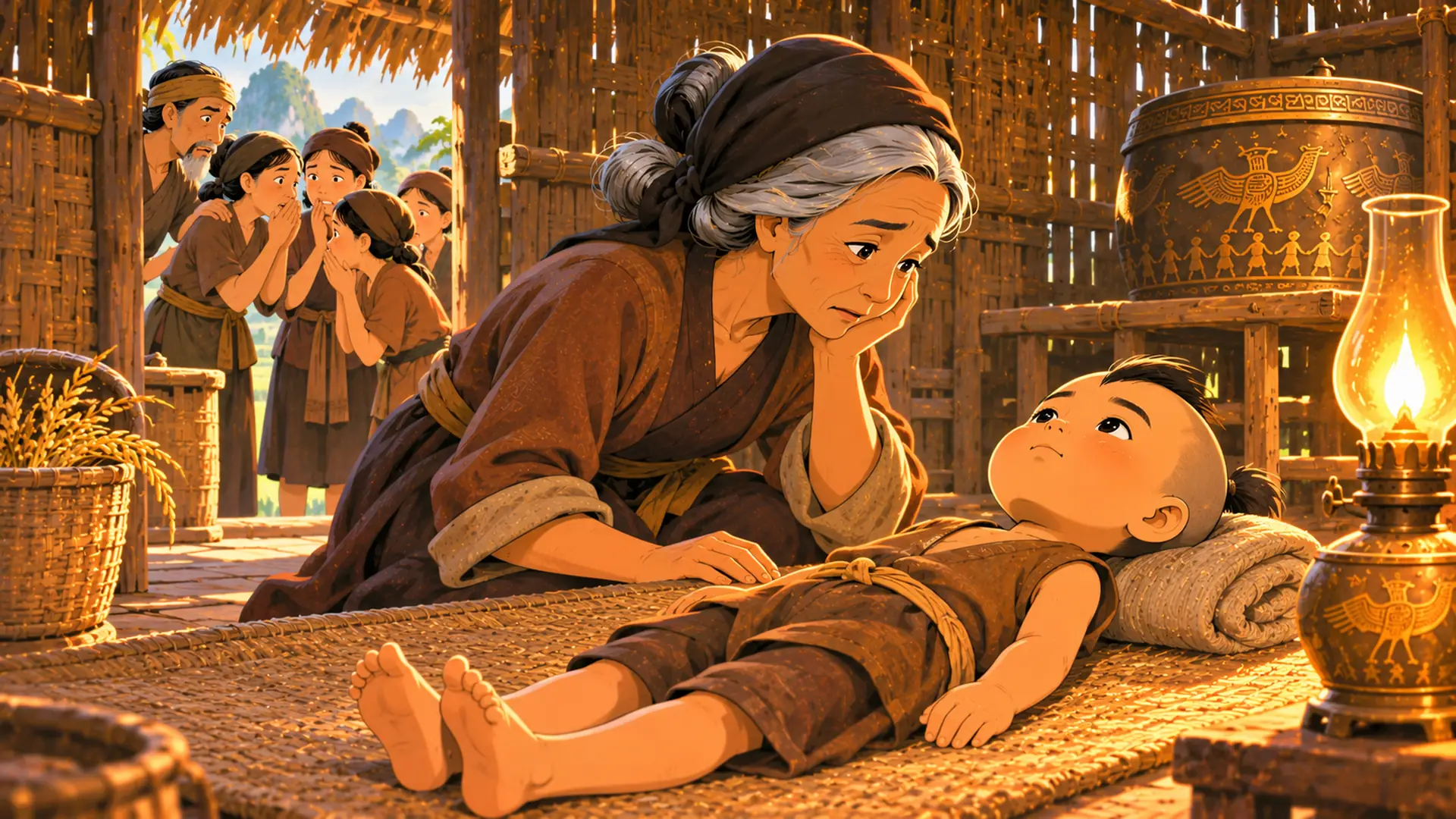
But something was strange. At three years old, the boy still could not speak, could not smile, could not walk. Wherever he was laid down, there he stayed. His mother loved him quietly. The neighbours shook their heads — and whispered.
Chapter
The Invasion
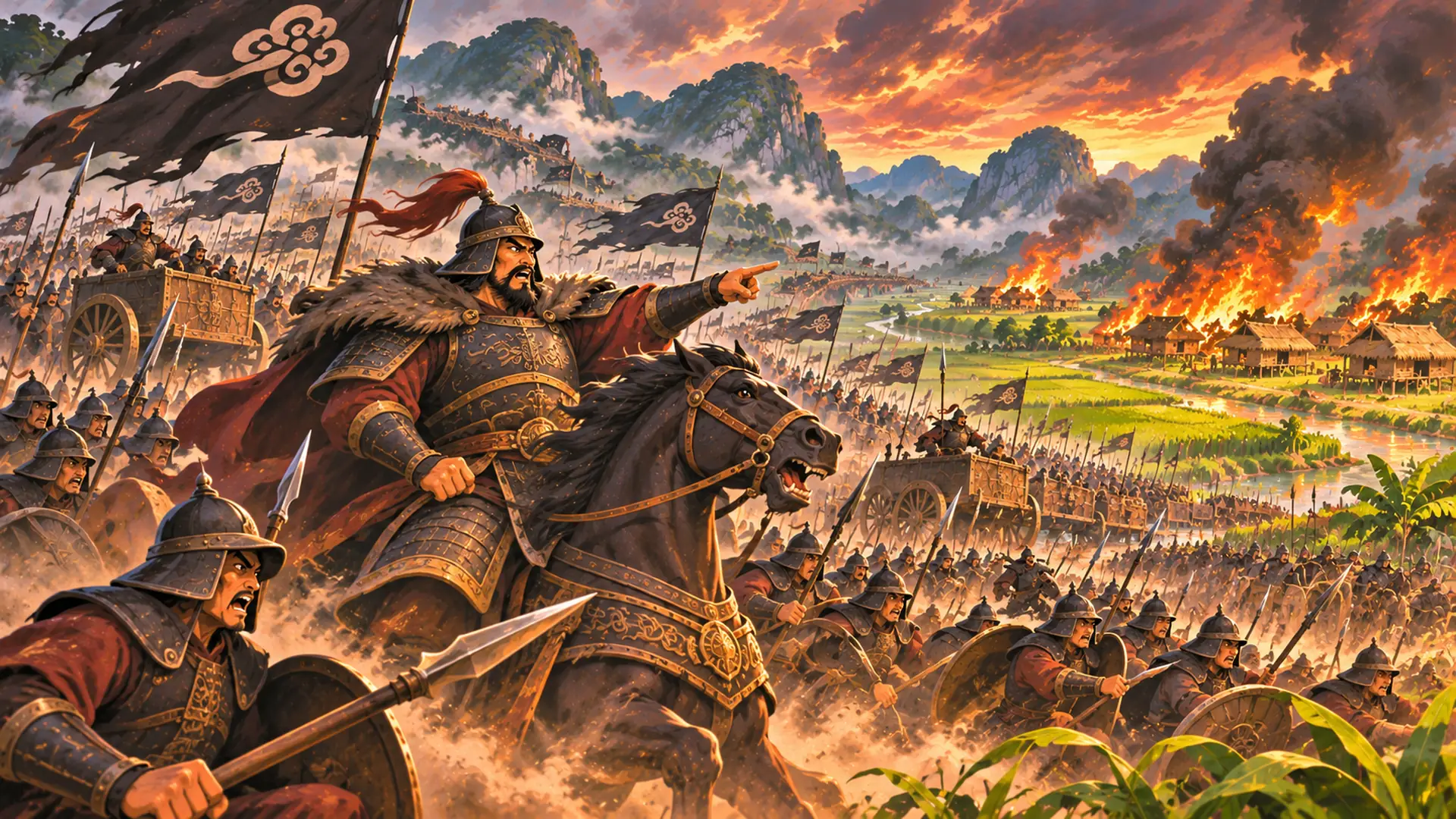
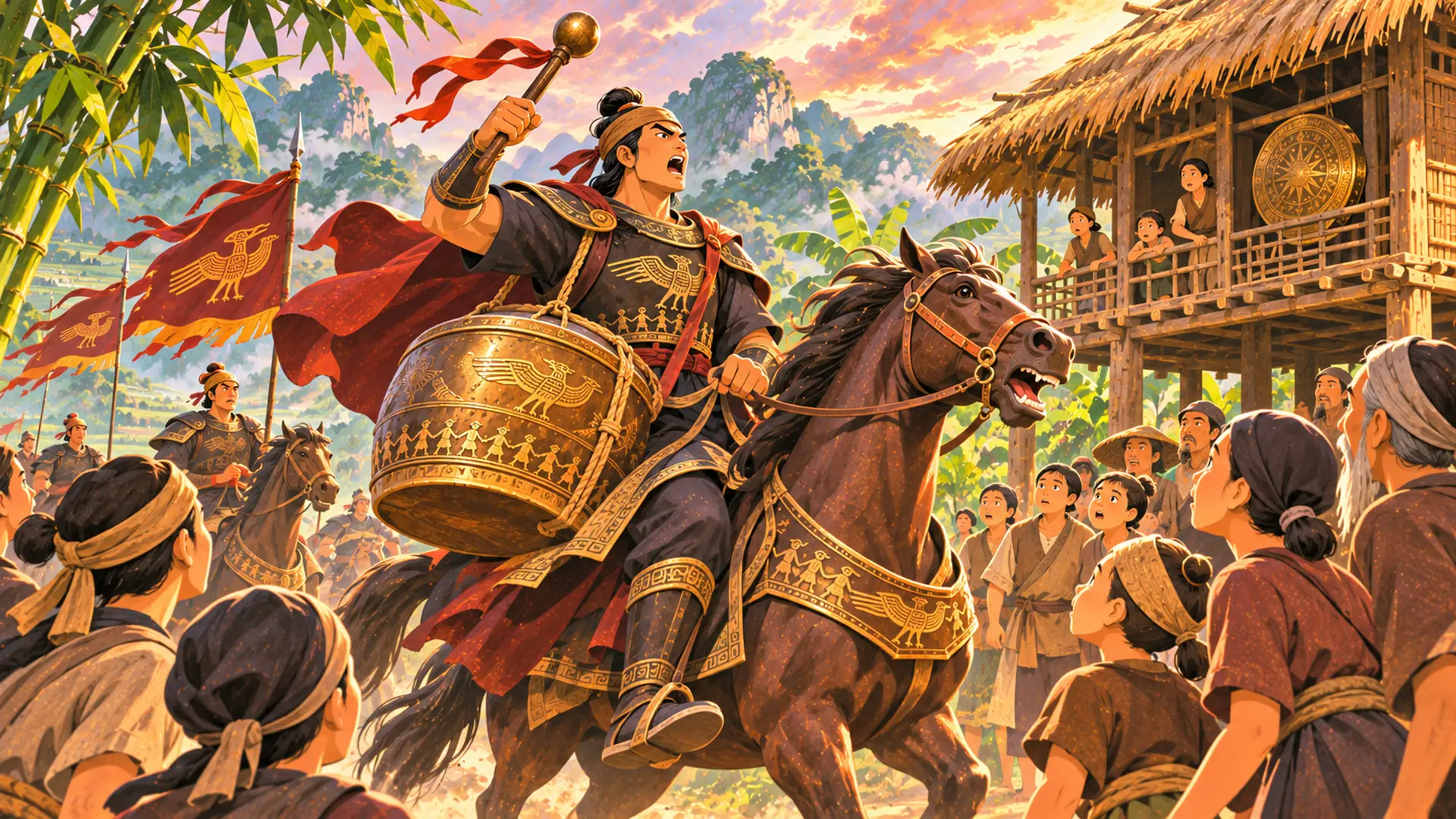
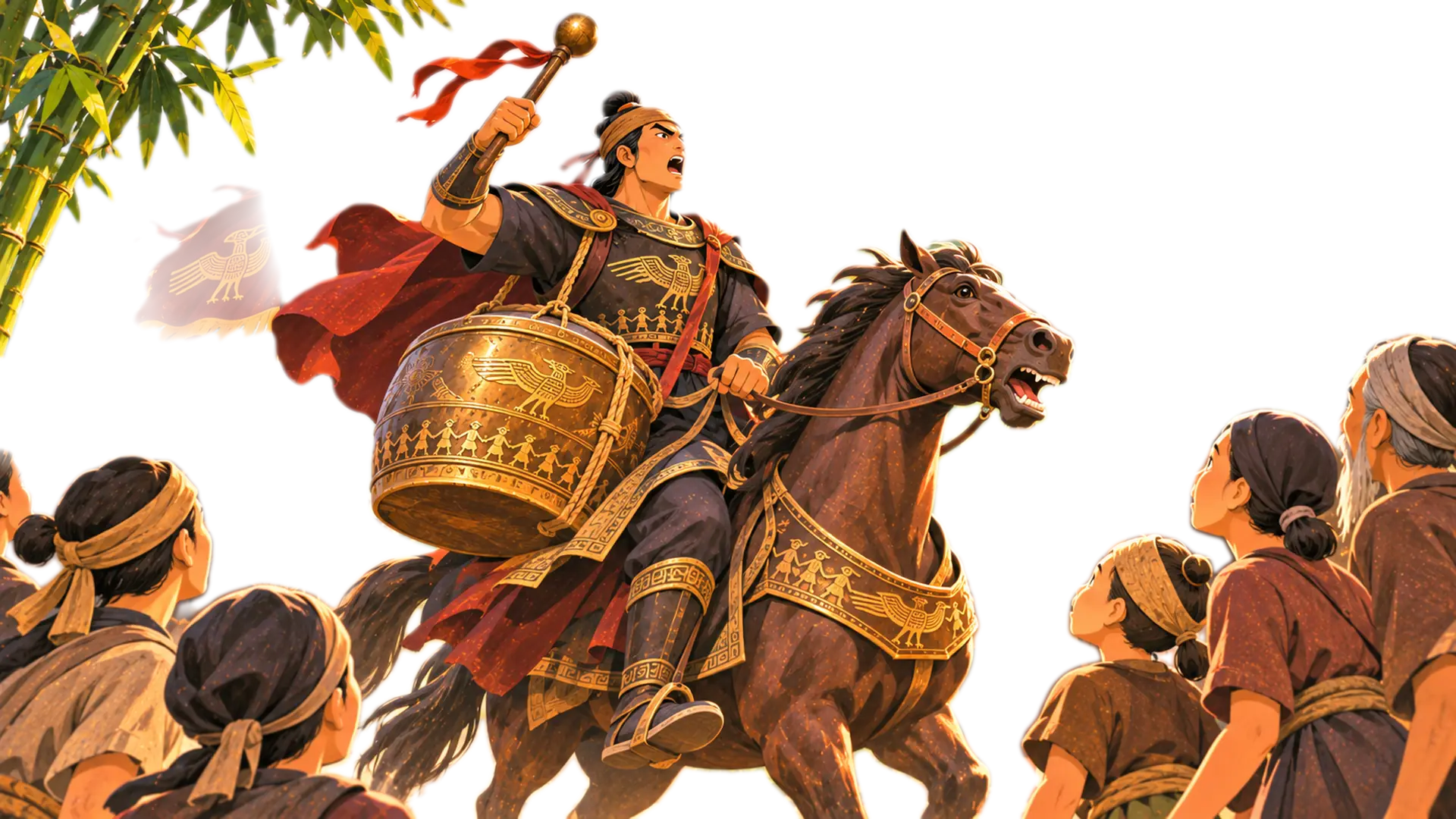
Then disaster struck. From the north, the An invaders poured down — countless as ants, fierce as a storm. Villages burned. The Hung King’s armies lost battle after battle.
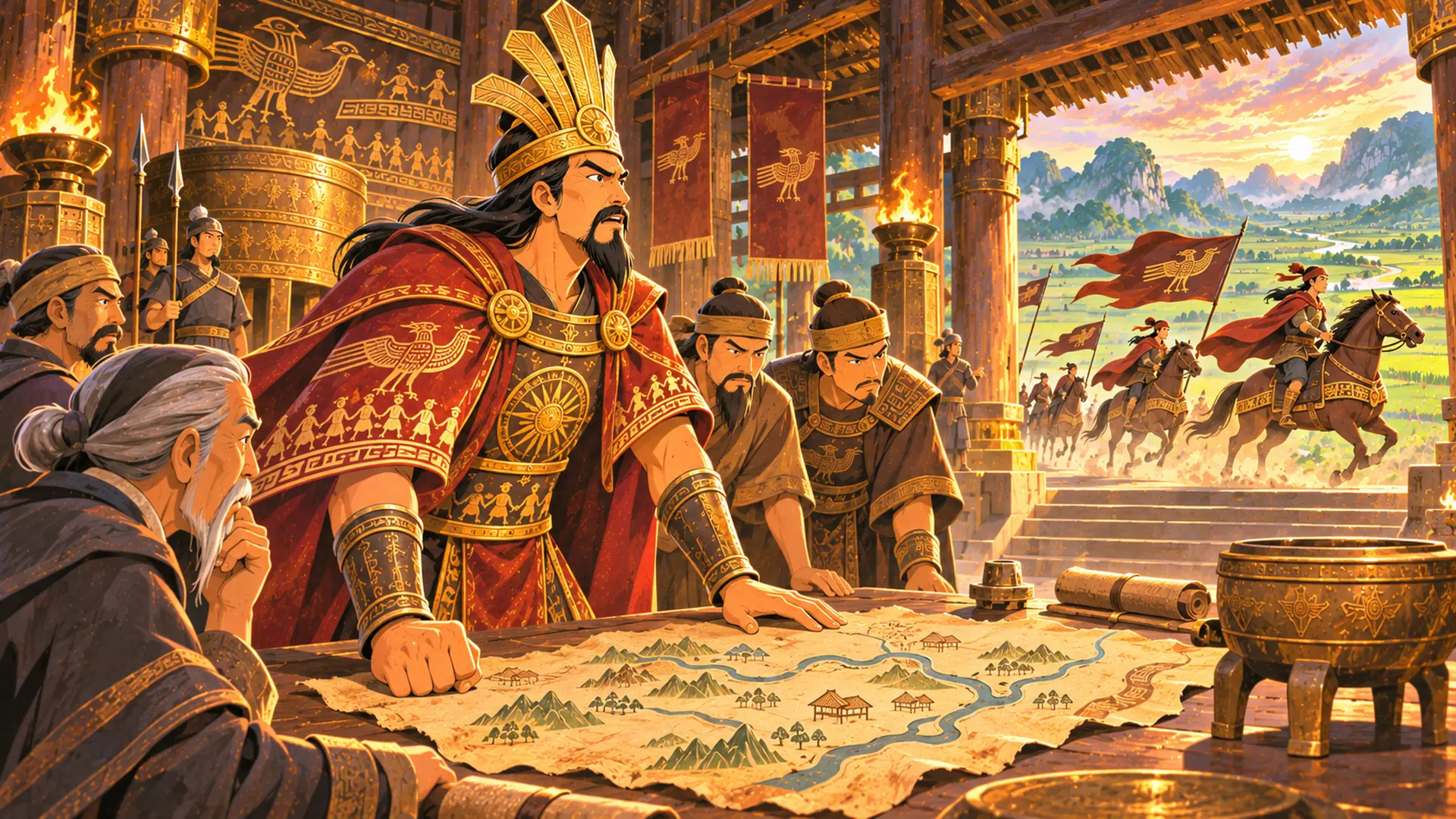
Desperate, the king sent envoys across the land, searching for anyone with the strength to save the kingdom.
Chapter
The First Words
The envoy’s call reached the village of Phu Dong.
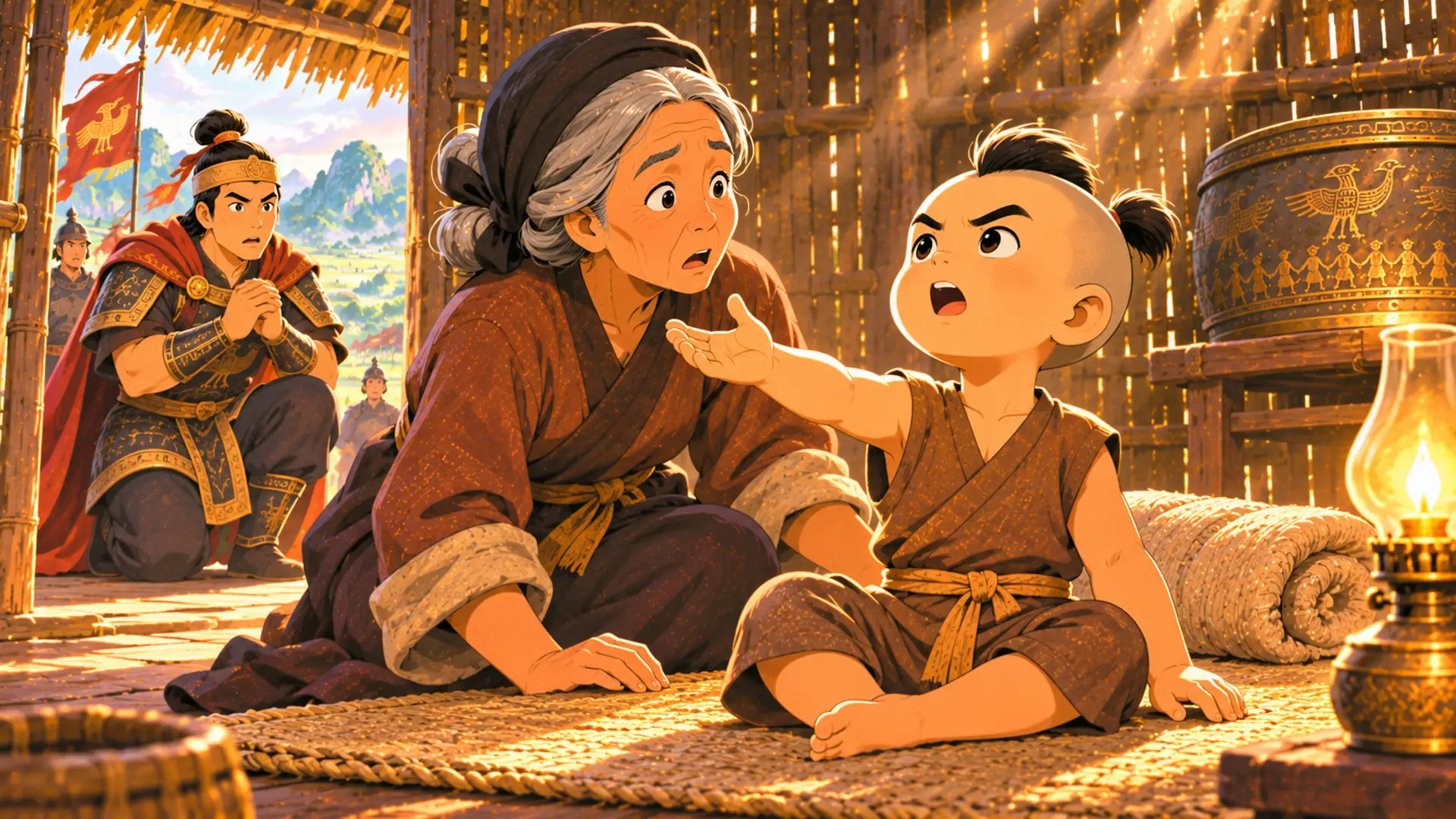
And at that very moment, the boy who had not said a single word in three years spoke.
Mother, please. Invite the envoy in.
The envoy came in, and knelt by the boy’s mat. The boy looked at him with serious eyes and said:
Go back and tell the king: forge me an iron horse, a suit of iron armour, an iron staff and an iron hat. I will drive these invaders out.
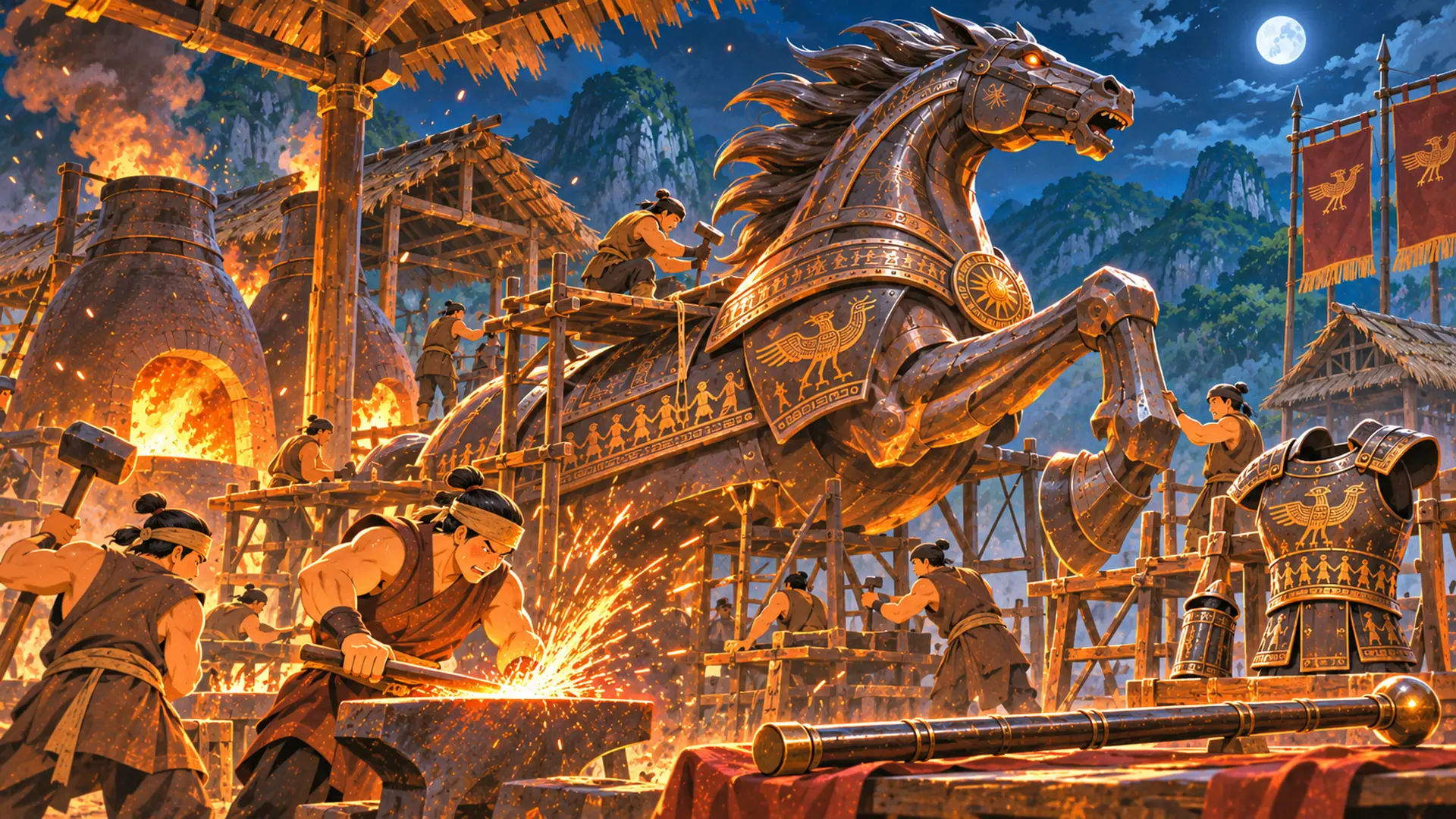
The king rejoiced. He ordered the finest blacksmiths in the land to forge iron, day and night.
Chapter
The Giant Awakens
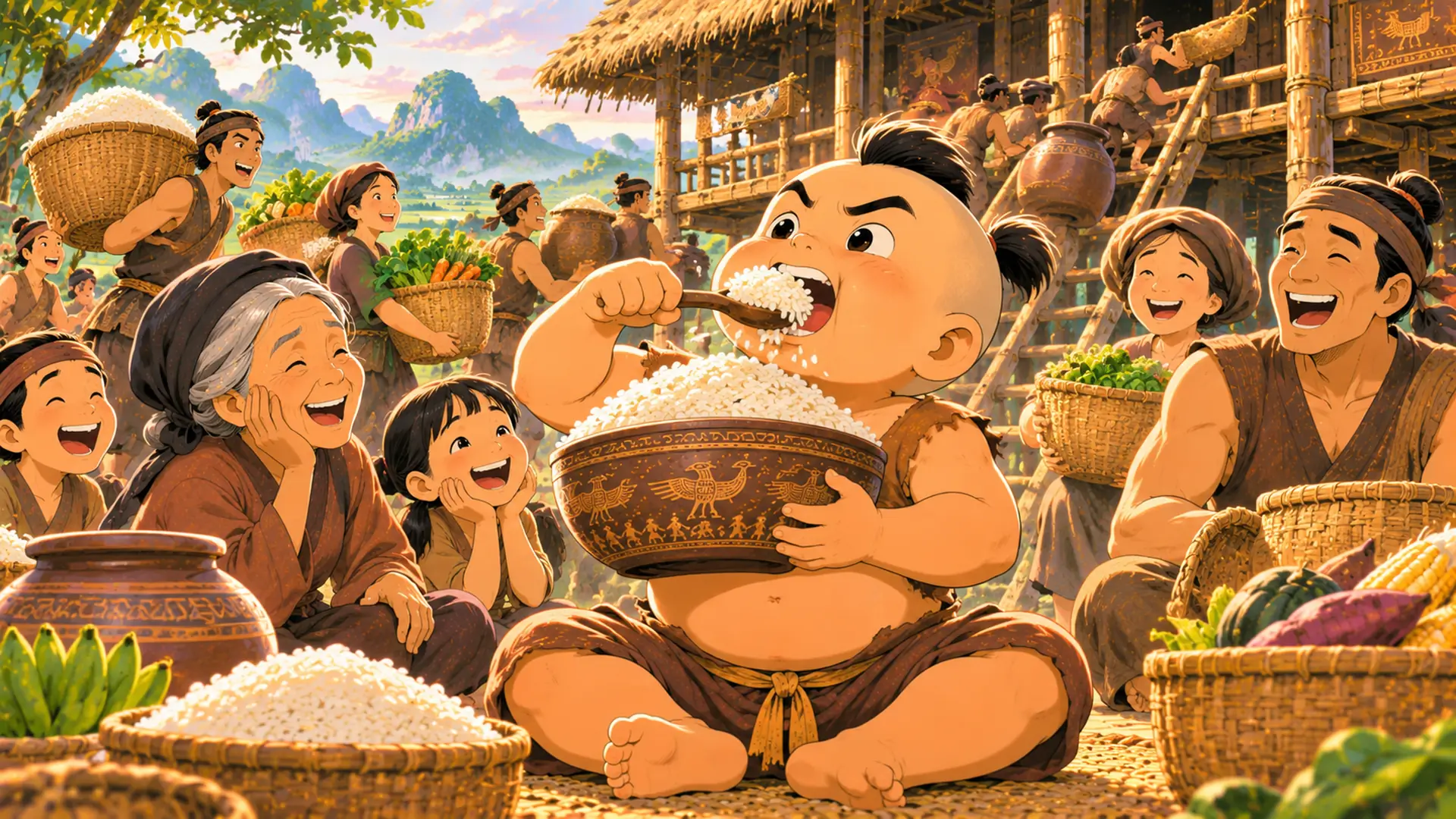
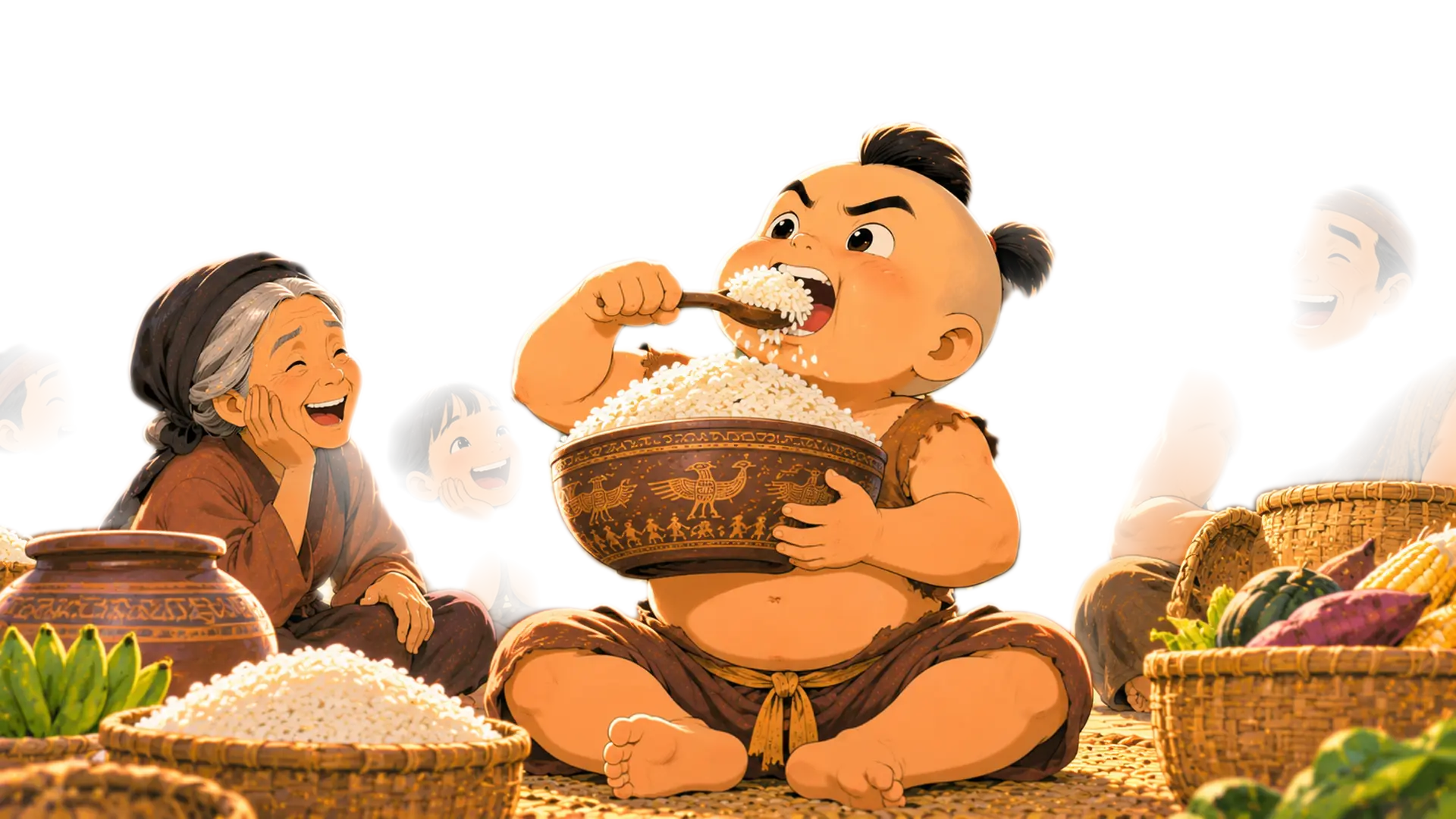
Back in Phu Dong, from that day on, the boy grew as fast as the wind blows. No amount of rice could fill him. His clothes split the moment he put them on. His mother was poor, and could not feed him alone. So the whole village came — with rice, with vegetables — every family hoping this boy would save their country.
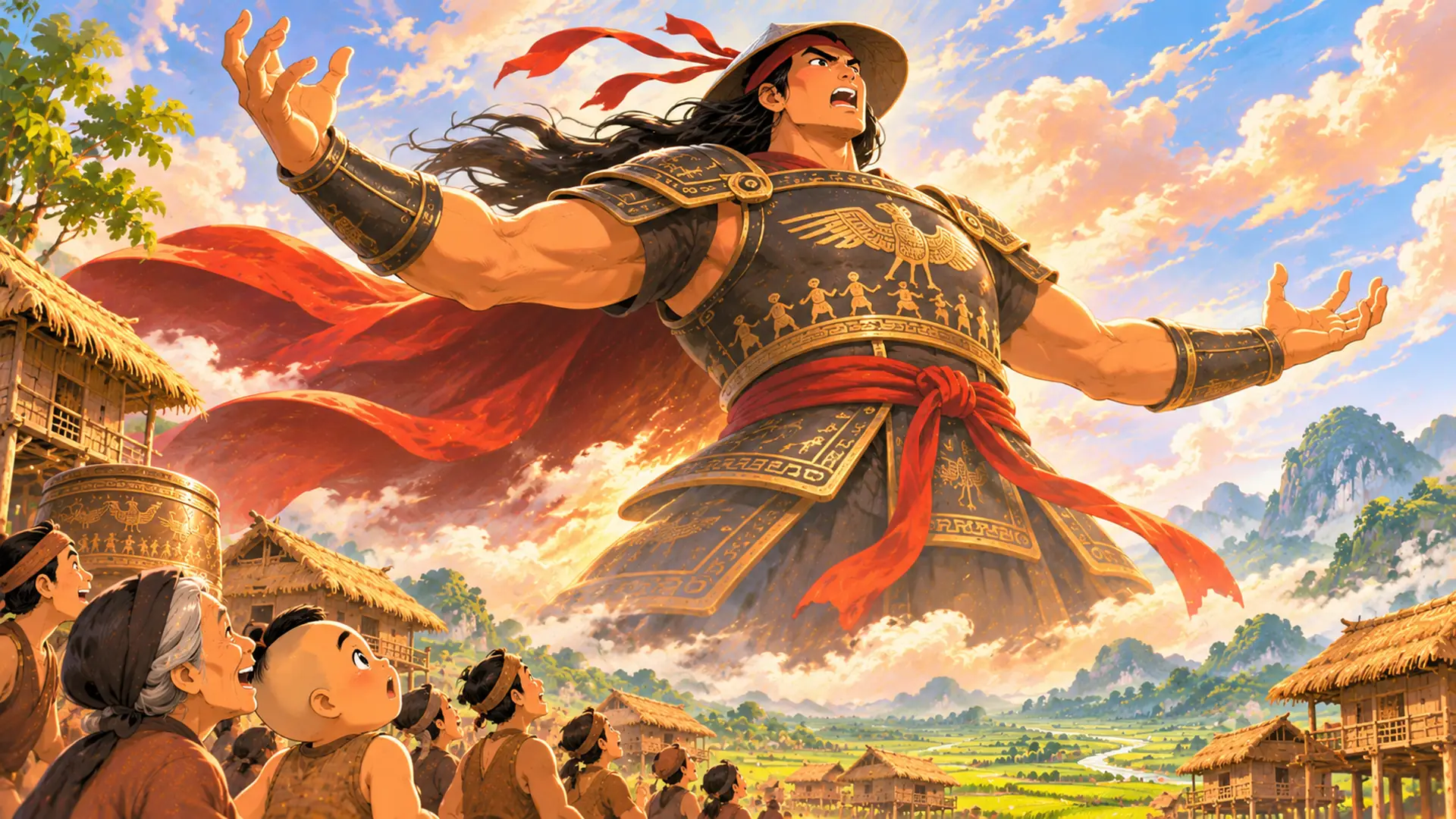
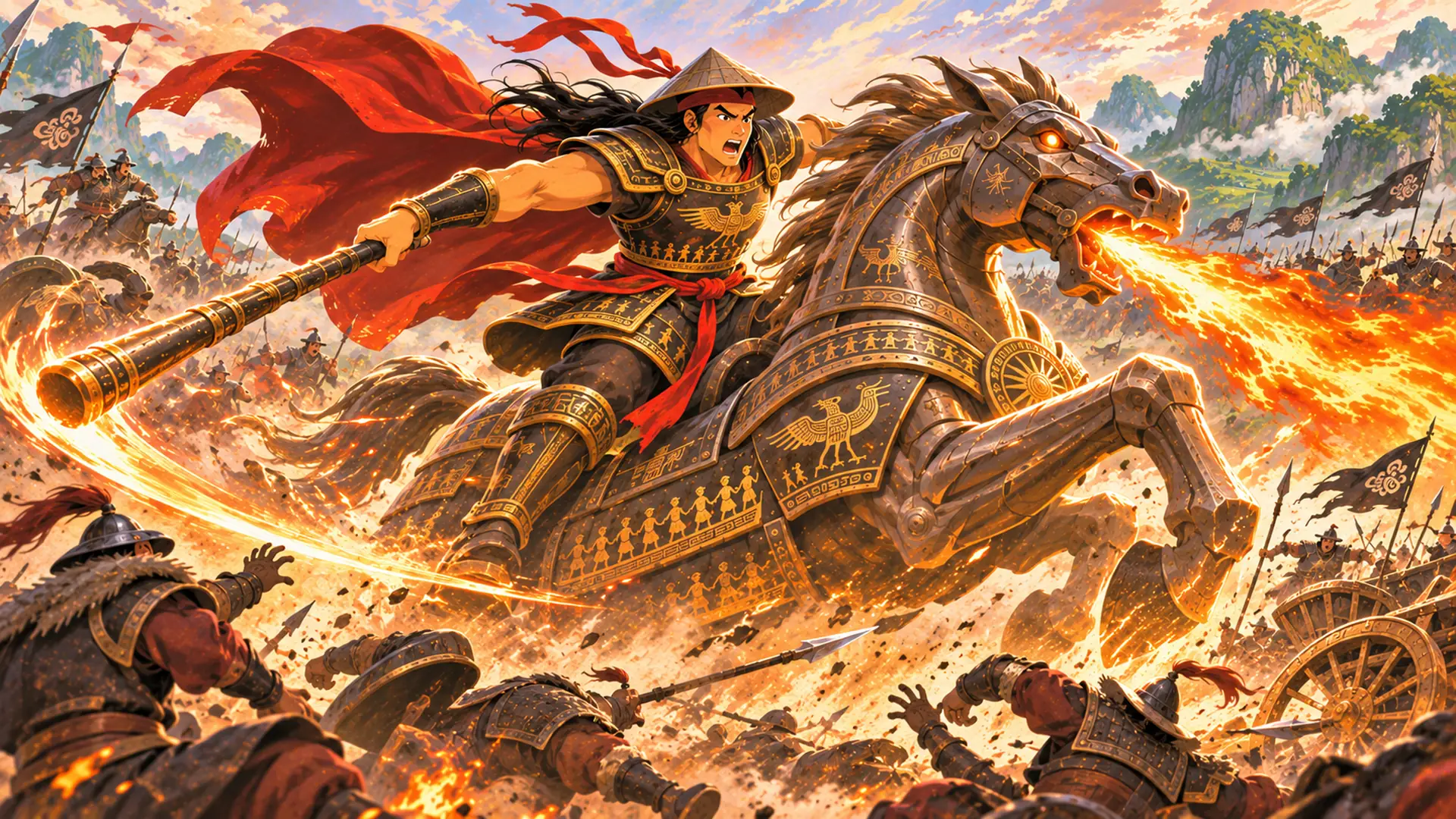
The enemy reached the foot of Trau mountain. And at last, the iron horse, the armour and the staff arrived. The boy stretched his arms — and rose into a giant warrior. Towering. Magnificent. Unstoppable.
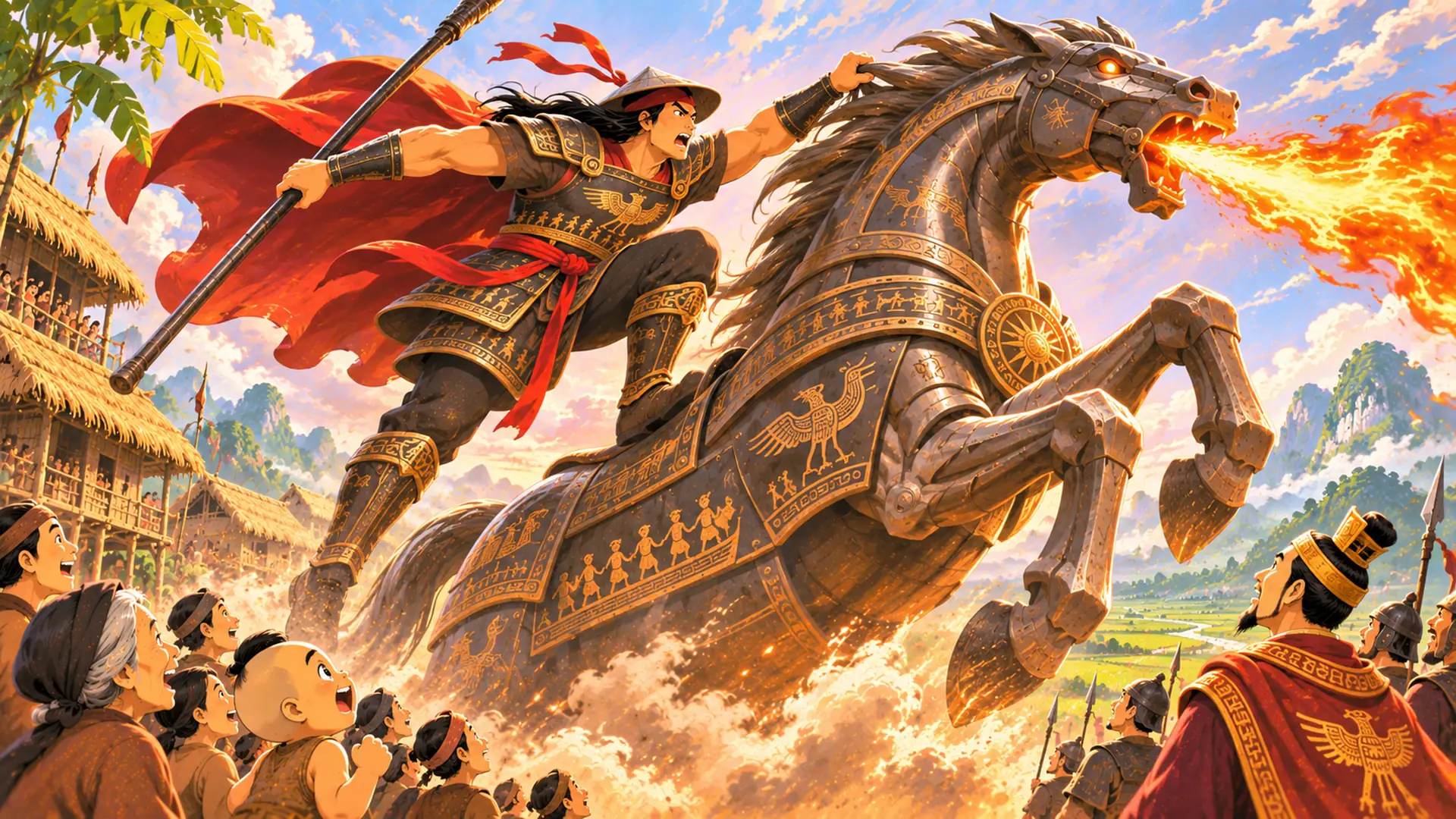
He put on the armour, took up the staff, and leapt onto the horse. The iron horse let out a mighty neigh — and breathed fire.
Chapter
The Battle
He spurred the horse straight into the enemy. Wherever his staff swung, the invaders fell. Wherever the horse breathed fire, their ranks scattered.
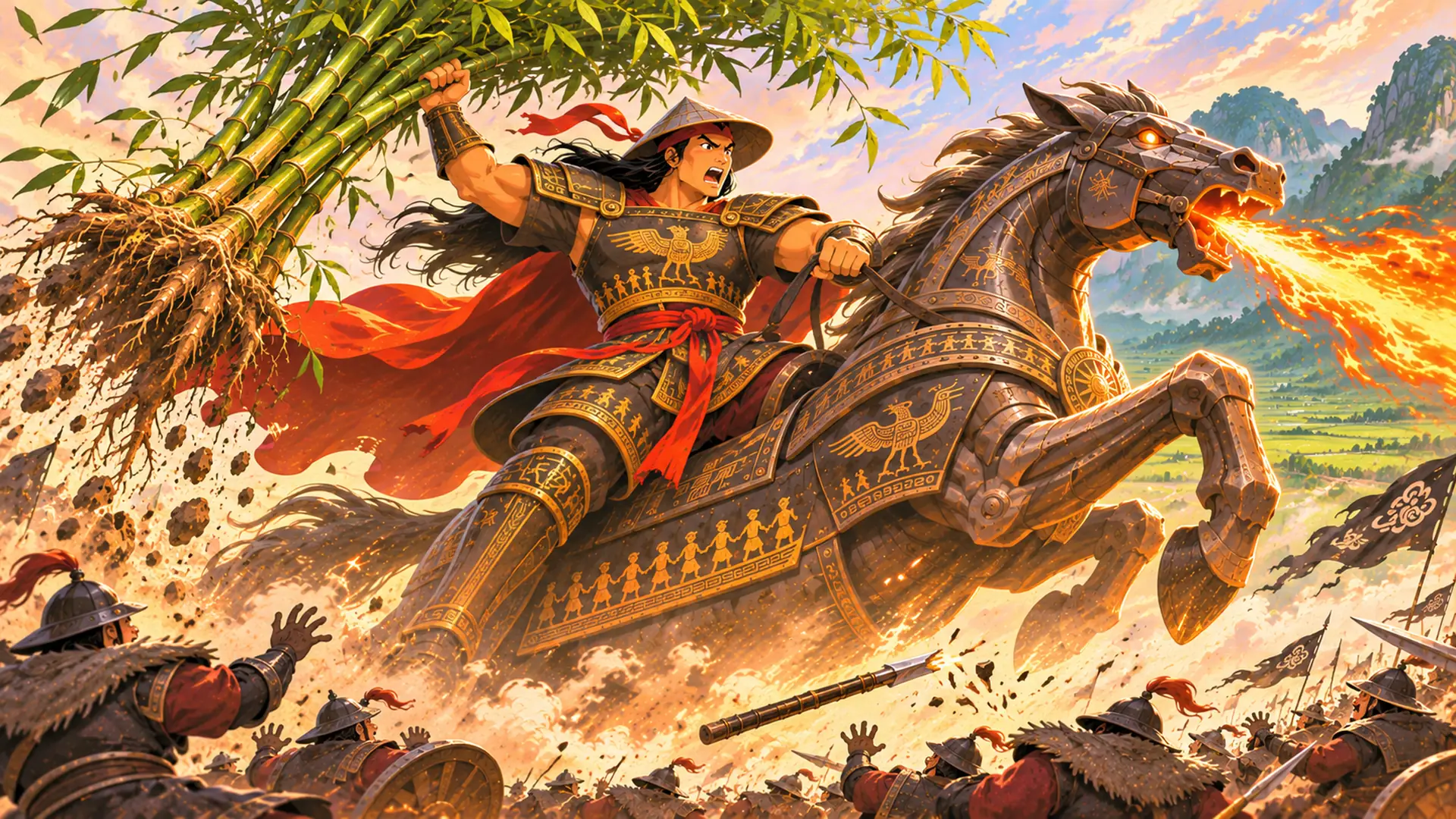
Then — the iron staff broke. Without a moment’s hesitation, he tore whole clumps of bamboo from the ground, roots and all, and swept them through the enemy.
The invaders broke. What was left of their army fled, trampling one another as they ran.
Chapter
Into the Sky
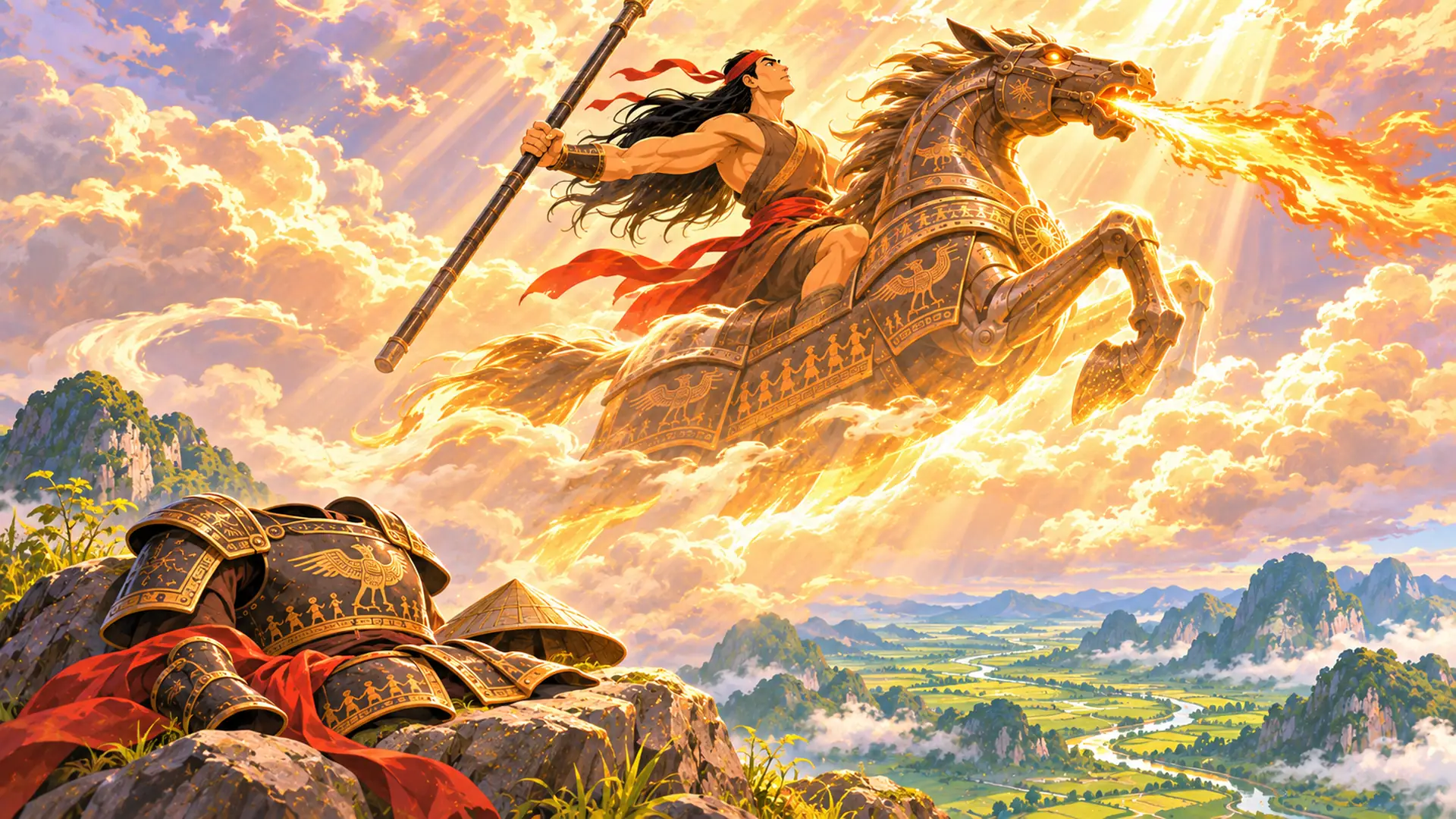
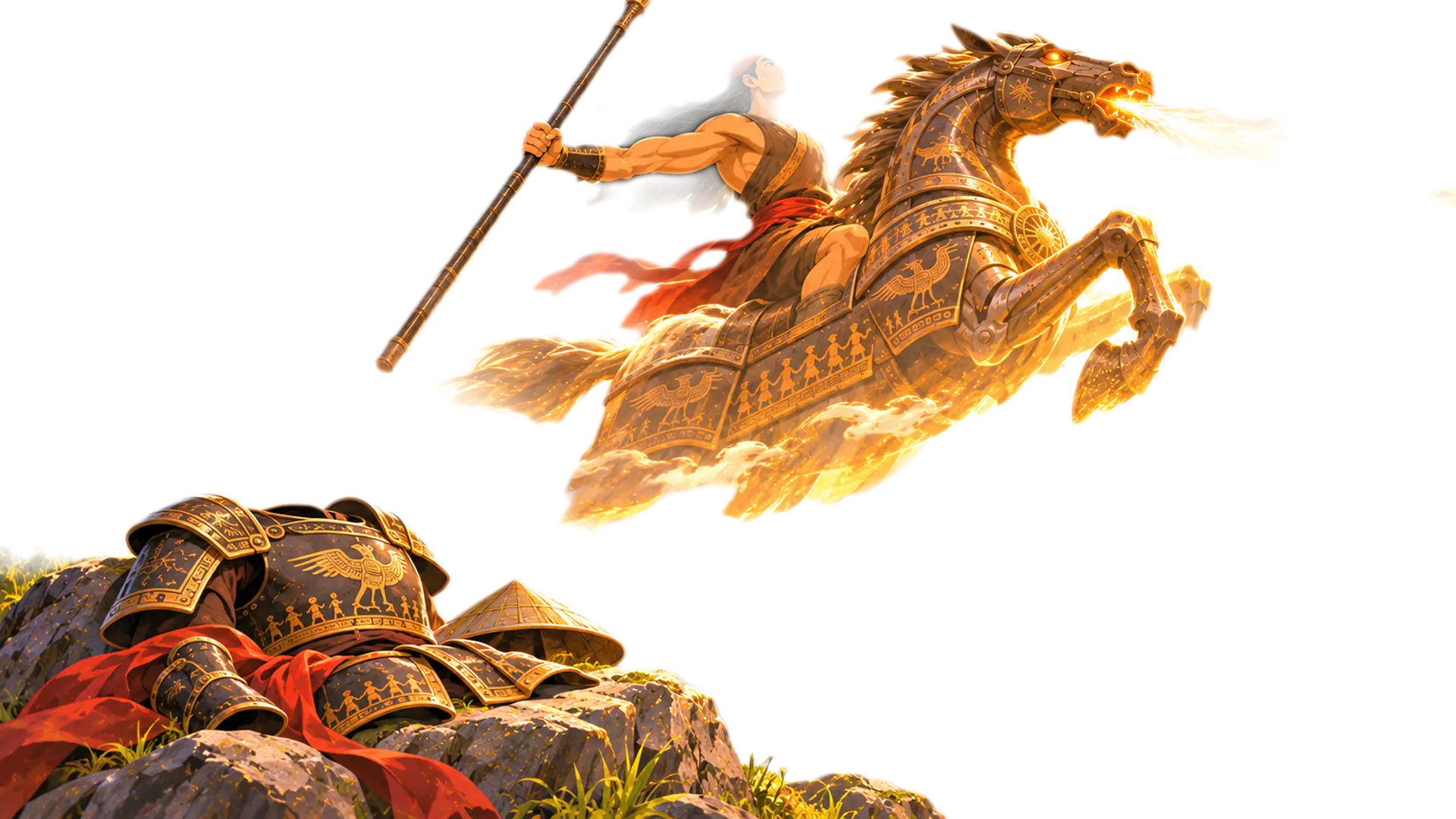
He chased them to the foot of Soc mountain. Then, alone with his horse, he rode to the summit — and took off his iron armour. Horse and rider rose slowly into the sky. And they never came back.
Chapter
The Legacy
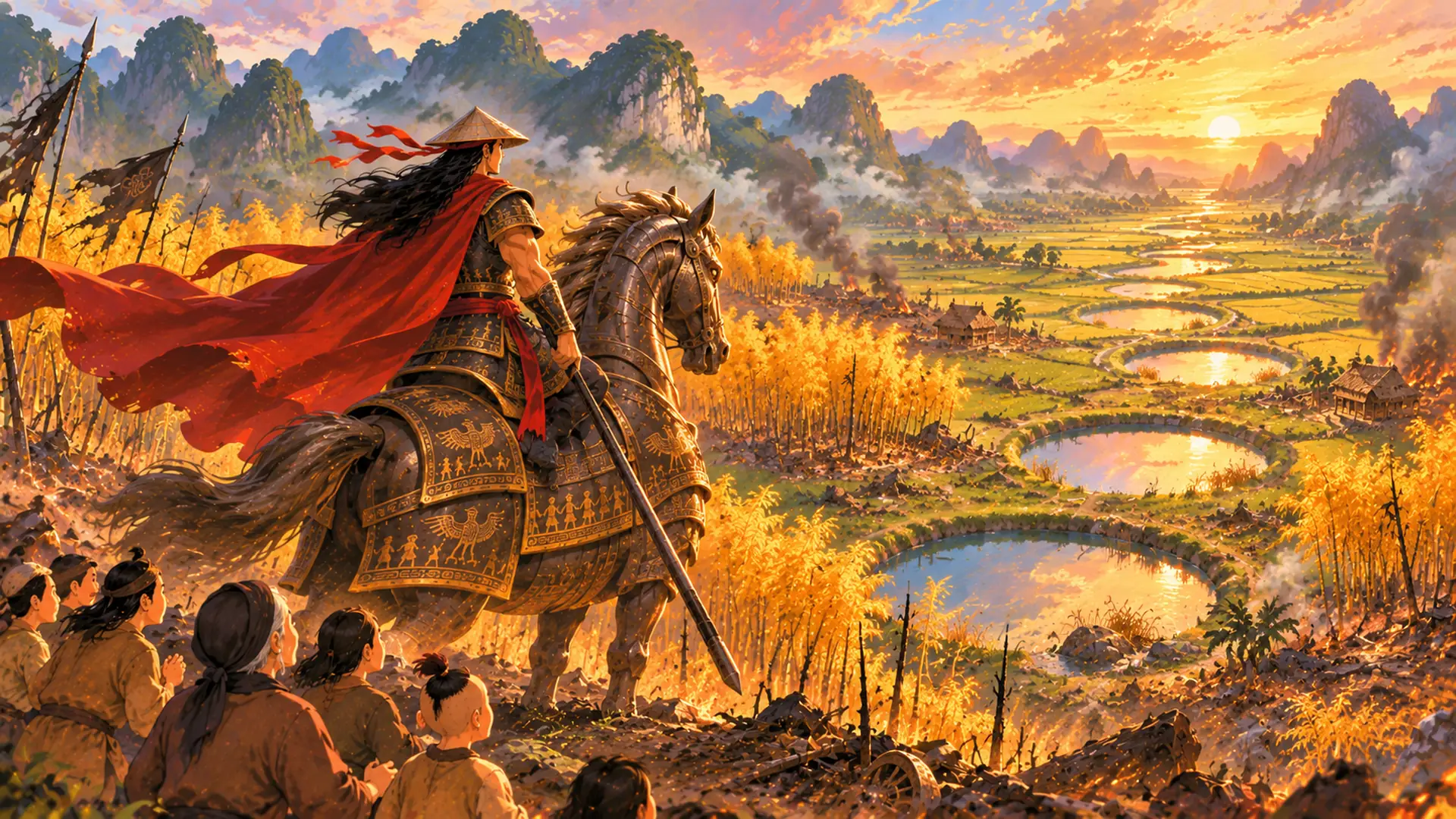
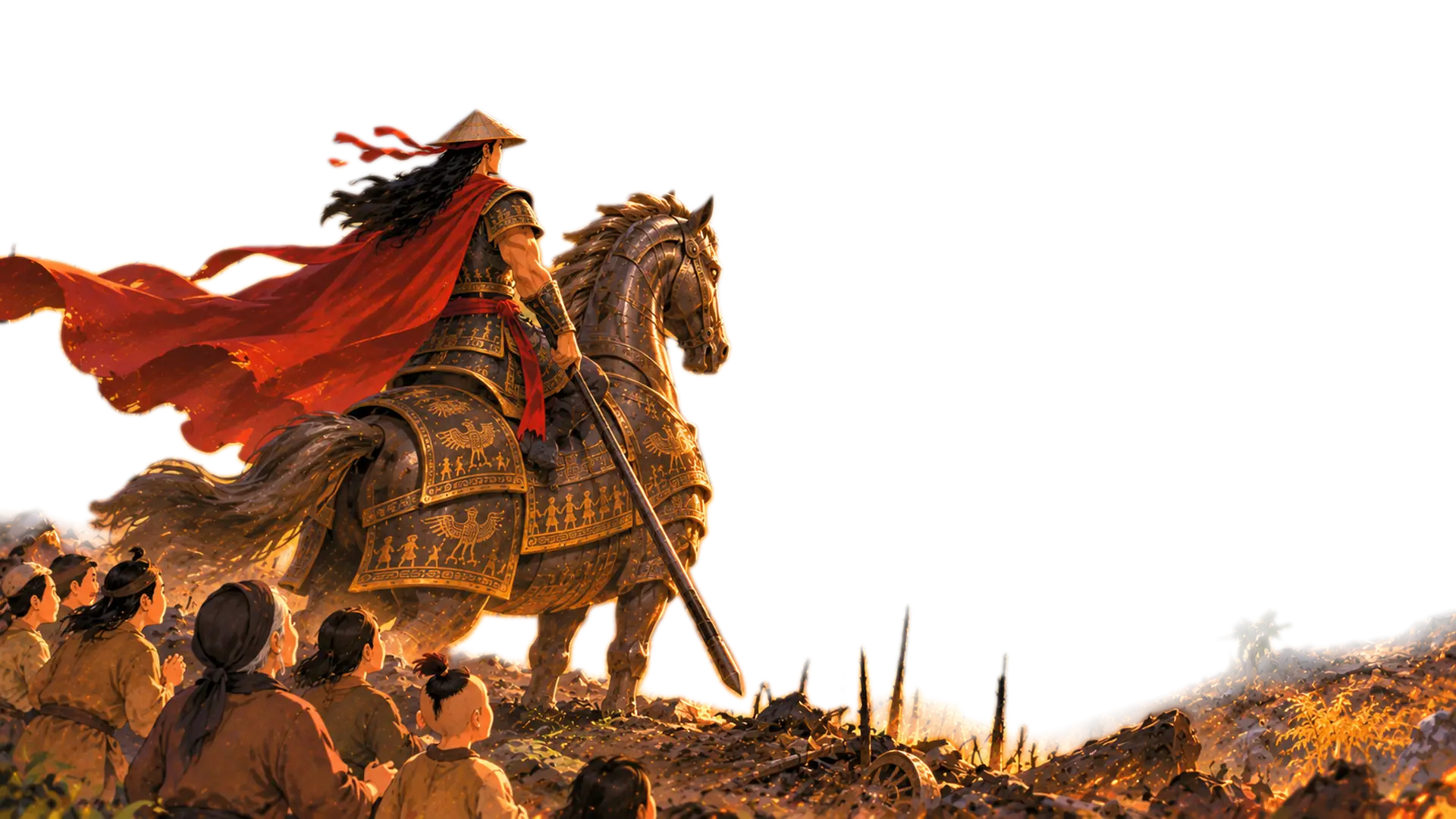
According to legend, the bamboo scorched by the horse’s fire turned golden — the bamboo Vietnamese people call tre dang nga. The horse’s hoofprints became a chain of ponds. And the village its fiery breath set alight is still called Lang Chay — the Burnt Village.
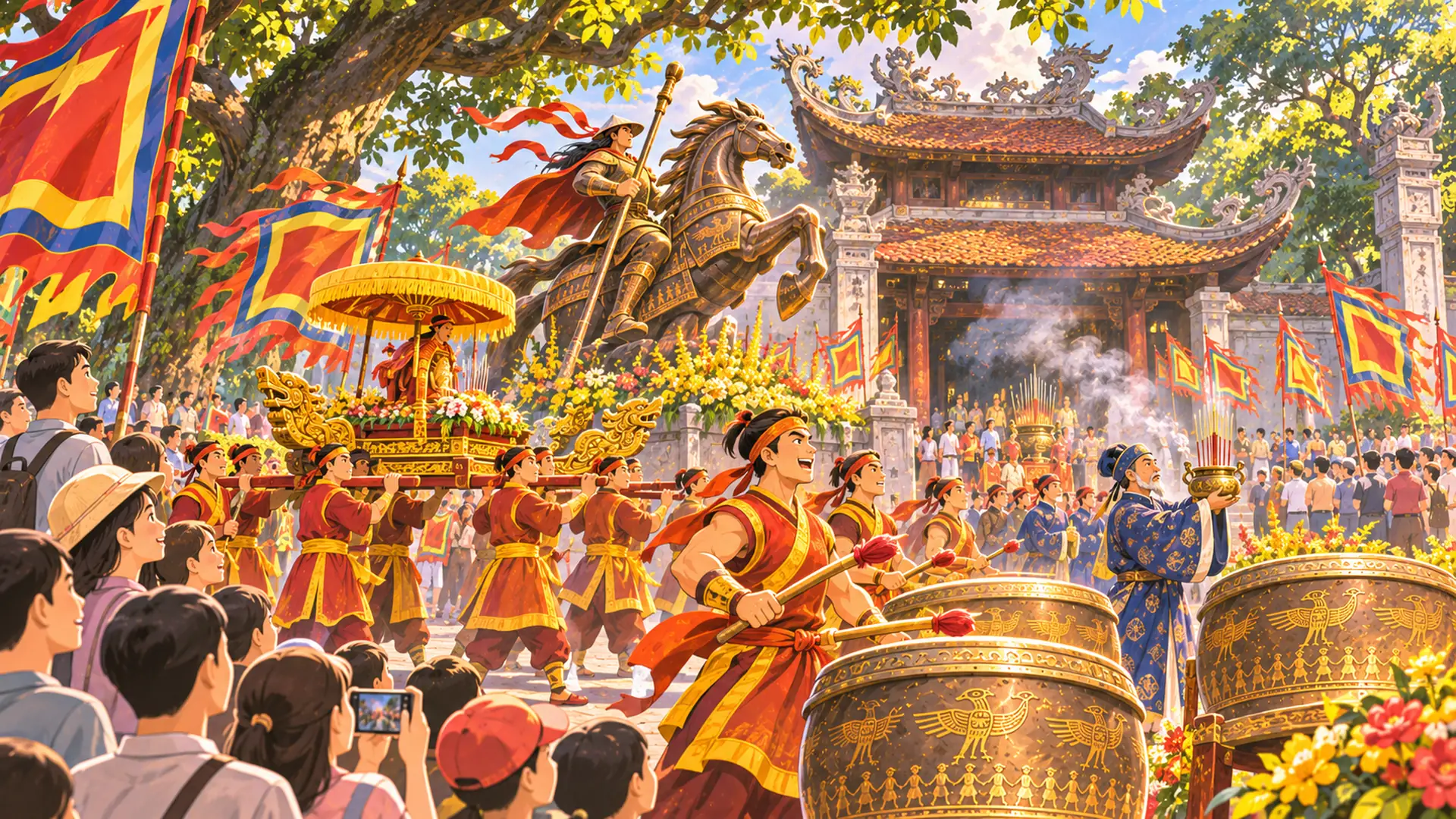
Grateful, the king honoured him as Phu Dong Thien Vuong — the Heavenly King of Phu Dong. His temple still stands today, in Phu Dong village, Hanoi. Every year, in the fourth lunar month, people gather there for the Giong festival. In 2010, UNESCO recognised it as an Intangible Cultural Heritage of Humanity.
A boy who could not speak — who stood up when his country needed him. Vietnamese people still tell his story to their children, generation after generation.